In this review, I will help you decide whether Atomic Wallet is for you. First, I will talk about the recent hack the wallet was exposed to and whether it is still safe to use. We’ll talk about how you can reduce the chances of getting hacked and the types of exploits that happen in crypto. We’ll also take a close look at Atomic Wallet itself: what are its major features and the pros and cons of using it.
This review if part of my series in search of the best Monero wallet.

Overall rating: 3/5
Atomic Wallet boasts some cool features including multi-cryptocurrency support, an inbuilt exchange, atomic swap, and fiat on-ramps. Its sleek design made it an attractive wallet to me at some point. Its major drawback is that it got hacked and, at the time of writing, the team either doesn’t know or has not been very transparent about what happened.
Atomic Wallet hack
Atomic Wallet has received negative publicity of late. This is due to a hack that happened where people lost $35 million worth of crypto assets to hackers getting access to their private keys.

While this is a very serious concern, it is not a rare scenario. Atomic Wallet is just one of many crypto wallets that have been hacked in recent times. These include Trust Wallet, MetaMask Wallet, and OneKey Wallet, among others.
The suspected cause is that hackers hijacked the digital assets keys while in transit in what is commonly referred to as a ‘supply chain hack’ that is likely to happen during atomic swaps. Being a non-custodial wallet offline wallet, it wouldn’t have been possible to hack onsite.
Is it still safe to use Atomic Wallet?
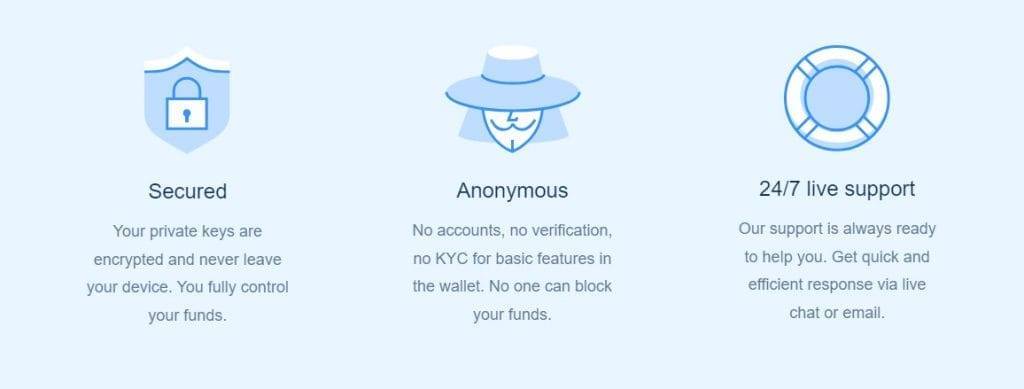
The nature of the hack leaves the answer wide open. It would have been an outright NO if the wallet was custodial. But, being an offline non-custodial decentralized wallet, the chances that the wallet itself was intruded are rather low. What is required is due diligence and prudence on the part of all players within the cryptocurrency ecosystem.
What happened to Atomic Wallet has the potential to happen to any other software wallet, especially hot wallets. We cannot shun all software wallets simply because of hacking as that would mean that crypto trades wouldn’t happen. This is because even the digital assets in the hardware wallets or other cold wallets have to be temporarily transferred to a crypto exchange software wallet during the transaction process.
The important thing that we need to do is to be security conscious and take due diligence on our part.
How to buttress the security of your software wallet
The following are some of the ways that you can secure your digital assets in the Atomic Wallet and other wallets:
1. Use cold storage
Cold storage refers to that storage that is offline. Don’t store your digital assets in a software wallet or hot wallet unless they are for immediate transactions. This will reduce their online risk exposure.
2. Have a dedicated device
Smartphones are by far the most vulnerable. This may be because they are the most widely used, especially by individuals. If you frequently transact using cryptos, it is ideal to have a dedicated smartphone for that purpose. Alternatively, if your desktop or laptop is the main means of transacting, have a dedicated desktop or laptop.
Once you have a dedicated device, keep off apps that are not needed for transactions. Most malware, especially phishing malware are installed together with crappy apps that you are tempted to install yet have no much beneficial value.
Having a dedicated device makes it easy to keep it offline when you are not transacting thus minimizing online risk exposure.
3. Always have an updated antivirus
New malware is being created every day, especially those that target crypto assets. Thus, to keep your cryptocurrency wallet and devices secure, it is important to keep your antivirus up to date.
4. Keep off unnecessary transactions
The more you transact the more you expose yourself to the supply chain risk. If you are not a regular trader, transact minimally – only when necessary. If you’ve got to pay using cryptos, take advantage of cryptocurrency debit cards where available and acceptable.
5. Choose how to wisely interact with your crypto ecosystem

Rarely does hacking take place on the blockchain network. And rarely do they take place on the non-custodial wallets. However, cases of hackers taking advantage of poorly coded software wallets are on the rise.
The bulk of hacking takes place on cryptocurrency exchanges. Thus, if you expose your digital assets on a cryptocurrency exchange that is prone to hacking, you are risking your assets.
Some of the famous hackings took place on Mt Gox (2011), Bitfinex (2016), Coincheck (2018), Bancor (2018), ZAIF (2018), Coinbene (2019), Cryptopia (2019), UpBit (2019), Binance (2019), and Kucoin (2020).
Thus, as part of due diligence, track the history of a cryptocurrency exchange in so far as hacking vulnerabilities are concerned and security measures in place before using it.
Middleware has become one of the most common targets for hacking. This is a form of transit hacking whereby crypto assets are hacked while in transit from one blockchain to another or one wallet to another.
Cross-chain bridges have become a prime target.
For example, in 2022, hackers stole almost $300 million worth of coins by breaching the Wormhole Bridge – a Solana-Ethereum bridge. Later on in the year, hackers stole digital assets worth $100 million on the Harmony cross-chain bridge.
Phishing is a very popular form of breach where hackers steal private keys and/or the recovery phrase through trickery such as impersonation or phishing clickbait.
Smart contract hacking is another form of hacking whereby hackers take advantage of a poorly coded smart contract to divert funds.
Insider hacking is a rare form of hacking whereby the developers of a blockchain, dApp, wallet, or smart contract leave deliberate loopholes that they eventually exploit.
6. Practice prudence and discipline
The best defense against hackers is discipline. The following are key rules that you should keep:
- Store the bulk of your crypto assets in a cold wallet – hardware wallet, paper wallet, etc.
- Just keep a small portion of your crypto assets in a hot wallet for immediate use
- If you are using a smartphone, have a dedicated smartphone for purposes of cryptocurrency transactions
- Keep your cold storage in a secure location – away from hazards and nefarious characters. For hardware and paper wallets, keep them in a safe deposit box. Banks provide such custodial services. Make sure that you don’t put all your wallets in one deposit box.
- Obfuscate your transaction history to keep off phishing or harvesting of your sensitive data. You can use a VPN, Tor browser, and data encryptors or obfuscators.
- Unless a centralized exchange has an adequate insurance policy, give preference to a decentralized exchange. Decentralized exchanges don’t keep your personal information. It is this personal information that is used by hackers to breach your assets.
- Avoid exposing your wallet address to high-risk operations such as gambling, the purchase of illicit items on the dark web, and pornography. Those are hotspots for nefarious characters. This exposes you to the high risk of being scammed or hacked.
- Use multiple wallets to diversify your risk. See my post on whether you should have multiple wallets.
- Encrypt your 12-word phrase using data encryptors so that it cannot be used even when phished by hackers.
- Keep your 12-word backup phrase on a device different from that hosting your wallet. The device should always be offline.
Atomic Wallet features, pros and cons
While the Atomic Wallet has great features, it also has its pros and cons. Let’s briefly explore each of these, one at a time:
1. Features

Atomic Wallet comes packed with the following key features:
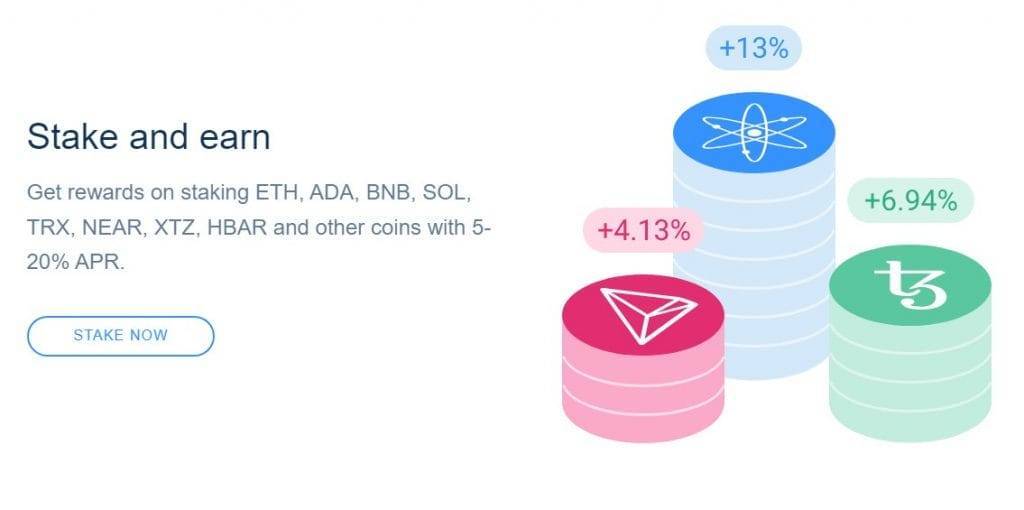
- Built-in staking mechanism – this mechanism allows crypto investors and cryptocurrency enthusiasts to stake their cryptocurrency holdings for passive income.
- Atomic swaps – Atomic Wallet has an atomic swap exchange mechanism that allows instant exchanges of different cryptocurrencies without going outside the wallet. An atomic swap is a smart contract technology that enables the exchange of one cryptocurrency for another directly between two parties.
- Built-in exchange – the wallet also has a built-in exchange platform that allows people to exchange coins that may not be swappable.
- Third-Party integrations – Atomic Wallet collaborates with third parties such as Changelly, SimpleSwap, and ShapeShift to facilitate the swapping of coins that can’t be done via atomic swaps.
- The Atomic Wallet provides a 12-word seed phrase that you can use to recover your wallet when you lose or forget the access keys.
2. Pros
Atomic Wallet has the following advantages:
- Offline safety – being an offline-first wallet, risks associated with online exposure are limited. Most Atomic Wallet reviews refer to it as a cold wallet because it is hosted on the user’s device. However, it cannot match the security mechanisms of a typical cold wallet such as a hardware wallet or paper wallet.
- Free to use – Atomic Wallet is free to use. You only pay for transaction fees incurred on ancillary services provided by the wallet such as atomic swapping, third-party swapping, and in-wallet purchases.
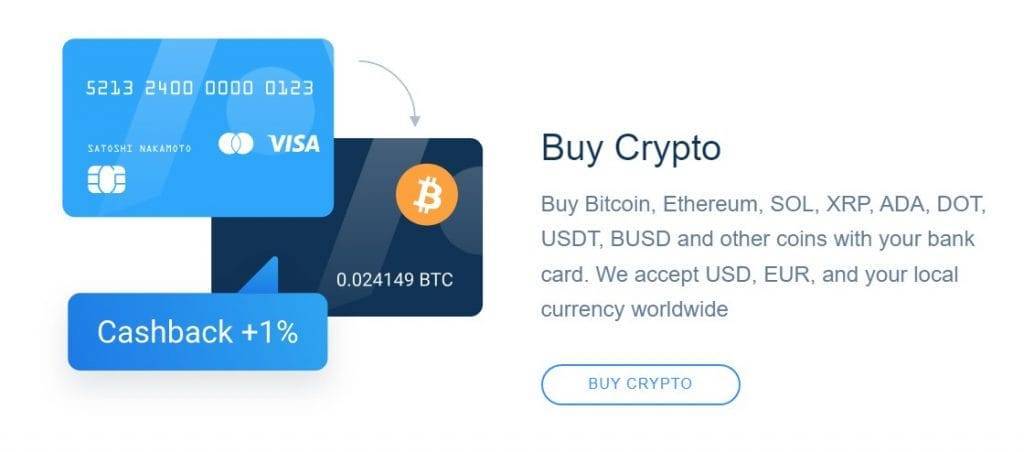
- Supports fiat purchases – the Atomic Wallet supports the use of fiat currencies. You can use a credit card or debit card to purchase digital assets.
- Multi-platform support – this cryptocurrency wallet is available as a desktop wallet on Windows and Linux platforms. It is also available as a mobile wallet. You can download it as a mobile app on Google Play Store and install it on Android mobile devices or the App Store for iOS mobile devices.
- User-friendly interface – Atomic Wallet has a very simple interface that enhances ease of use. This user interface allows one to easily navigate the wallet.
- Own token – the Atomic Wallet has its own token, the Atomic Wallet Coin (AWC). This AWC token facilitates exchange transactions on the wallet.
- Friendly customer support – Most Atomic Wallet reviews allude to the customer support staff and the technical support team as being friendly in handling customers’ issues.
- Reward to token holders – the staking mechanism enables token holders on the Atomic Wallet to earn passive income.
- Being a non-custodial decentralized wallet, Atomic Wallet grants you total control over your secured encrypted private key. This is unlike custodial digital wallets that keep your crypto coins within their hold.
3. Cons
While Atomic Wallet has great features and impressive pros, it does have areas for improvement. The following are its main cons:
- It got hacked – even though some of the popular wallets such as MetaMask and Trust Wallet have also been breached, this does not excuse Atomic Wallet from being vulnerable. To date, the Atomic Wallet team has still not explained exactly what happened.
- Not open source – being closed-source limits auditing by independent parties. Unlike open-source wallets, this makes it harder to detect and weed out potential security vulnerabilities. Nonetheless, the Atomic Wallet team has indicated that they are in the process of making the wallet code open-source.
- Limited hardware wallet support – Atomic Wallet lacks hardware wallet integration. Thus, it is not easy to directly transfer crypto assets between the Atomic Wallet and the popular hardware wallets such as Ledger and Trezor.
Founders
Atomic Wallet was founded by Konstantin Gladych and Charlie Shrem.
- Konstantin Gladych: He is a co-founder and the CEO of Atomic Wallet. He has an IT background and a Ph.D. in data analysis and processing. He is also the co-founder of an exchange called Changelly which Atomic Wallet uses for swapping between cryptocurrencies within the wallet.

- Charlie Shrem: He is a well-known figure in the cryptocurrency community. Shrem was an early Bitcoin adopter and co-founded BitInstant, a now-defunct Bitcoin exchange. He was also involved in the Silk Road marketplace, an illegal marketplace that used cryptocurrencies for payments in the early days of crypto, for which he spent 2 years in jail.

Other wallet reviews
- Coinpayments Wallet Review: Best Guide for Pros & Cons
- Freewallet Review: Legit or Scam? All You Need to Know
- Elite Wallet Crypto: Is It Any Good and How Secure Is It
- Stack Wallet Review: an Open-Source & Multicoin Wallet
- Edge Wallet Review: Best Features, Pros and Cons
- Zelcore Wallet Review: Get the Low Down on the Pros & Cons
- Best Guarda Wallet Review: In-Depth Look at Pros and Cons
- Exodus Wallet Review: Features, Pros and Cons (2023)
- Cake Wallet Review: Your Ultimate Guide to the Pros and Cons
Up next
Atomic Wallet Vs Coinbase: Which One Is for You (2023)

Are you ready to dive into the world of digital currencies and blockchain? Wondering which wallet is right for you to securely store your private keys? Look no further! In this comprehensive comparison, we’ll dissect the differences between Atomic Wallet vs Coinbase, two of the most popular wallets in the crypto industry. Read more.